
At Eden Vista Barrington, we recognize dementia as one of the most serious cognitive conditions that older adults can face. While aging can already bring many difficulties, dealing with memory loss and related symptoms becomes very overwhelming for seniors. For individuals facing these challenges, memory care is the best solution.
Memory care services enhance seniors’ quality of life through secure, structured environments, personalized cognitive therapies, and 24/7 specialized support. Tailored memory care services help residents delay cognitive decline, reduce anxiety, and foster meaningful social engagement while ensuring safety.
Memory care provides essential support services to individuals with memory impairment, helping them maintain independence for as long as possible. By providing daily living support, helping residents participate in cognitively stimulating activities, and fostering their overall well-being, memory care improves quality of life in several ways. Here are some ways memory care services improve seniors’ quality of life.
Specialized Cognitive Therapies
Memory-related conditions, whether dementia or another cognitive disorder, primarily affect one’s cognitive abilities. They begin to affect core cognitive functions, such as planning, language, reasoning, and orientation. In simple terms, they reduce a person’s ability to live independently. In response to this, memory care communities offer specialized cognitive therapies, including Cognitive Stimulation Therapy (CST) and cognitive rehabilitation, as well as standard therapies such as music, art, and reminiscence.
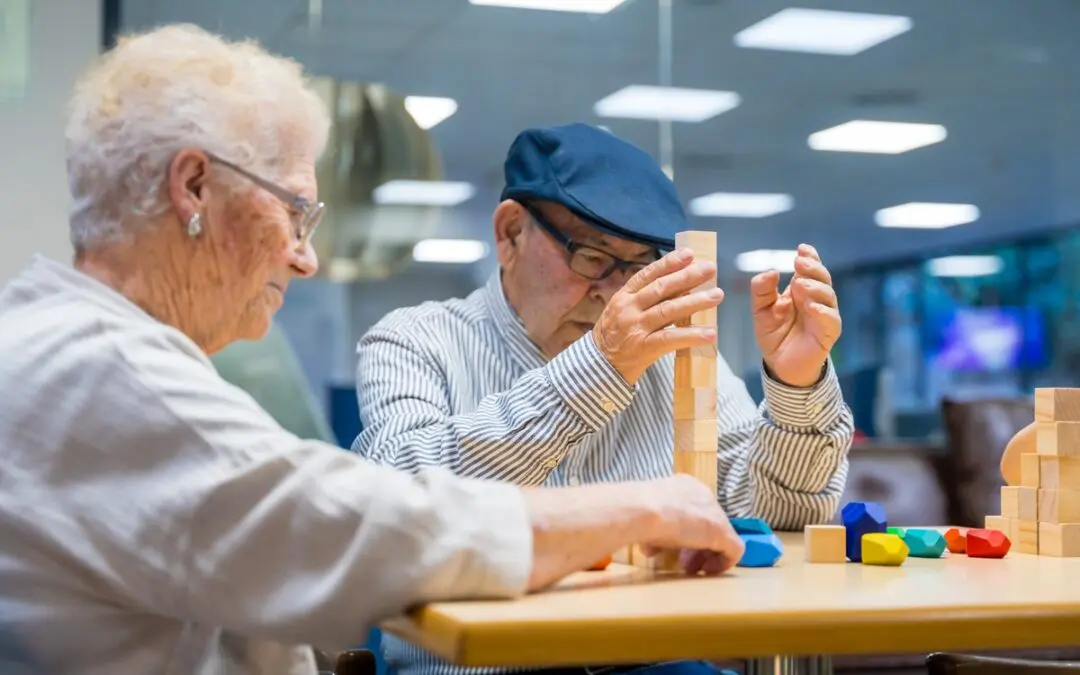
Cognitive Stimulation Therapy (CST) involves activities and exercises that help a person with mild to moderate dementia use their cognitive abilities. As a widely recognized non-drug treatment, it includes group or one-on-one sessions between the caregiver and the individual. They discuss current affairs, reminisce about childhood memories, or play physical games. In cognitive rehabilitation, people with significant cognitive decline are encouraged to use their remaining abilities. In this approach, the therapist works with the individual to maintain their remaining abilities and manage everyday challenges.
Assistance With Daily Living (ADLs)
Dementia’s progression affects one’s ability to live independently. As a result, they may begin to need support with activities of daily living (ADLs). This may include daily hands-on support with tasks such as bathing, dressing, eating, mobility, and toileting, tailored to their current health status. Memory care services provide this support, too. The memory care staff go beyond basic physical assistance by using dementia-specific care techniques to minimize frustration and maintain dignity.
For bathing and hygiene, the staff uses a calm, person-centered approach when caring for the resident, ensuring their support does not cause the resident to feel upset or uncomfortable. For dressing, they assist them by offering basic, easy-to-follow clothing choices. For mealtime support, they assist residents in setting up meals and using adaptive utensils. For toileting and continence, they implement timed toileting schedules and assist residents with transfers on and off the toilet. To help prevent falls, the staff assists with getting in and out of bed, walking safely, and moving into chairs.
Medication Management
While it may seem like a standard part of a care plan, medication management is extremely important. A missed dose can lead to severe symptoms that may require emergency treatment. This is why memory care staff place special emphasis on medication management. Residents can’t access medication directly; staff members give it to them. All prescription drugs, as well as OTC supplements, are stored in a locked, secure system rather than being kept accessible in residents’ rooms.
Staff don’t just hand over the medication; they make sure the resident takes it properly. The care team works with the staff to ensure that medications that are running low are refilled promptly. They never force residents to take medications; instead, they use gentle guidance and redirection to ensure consistency. To promote proper cooperation and reduce anxiety, medications are often timed around mealtimes.
Structured Routines
Even when they try, individuals with memory impairment struggle to follow routines. This again happens due to cognitive decline caused by dementia’s progression. To address this, memory care services offer structured routines that provide a predictable, stable environment, helping residents combat anxiety, minimize confusion, and preserve independence for longer. Following these routines fosters independence, helps reduce agitation, and supports better sleep, too. From morning to evening, everything is structured and tailored to residents’ abilities.
While the broad daily schedule remains consistent, caregivers adapt specific tasks to a resident’s current cognitive and physical abilities. They incorporate past life history, hobbies, and personal preferences to make residents’ routines meaningful and engaging. Caregivers even take family input into account when preparing these routines to ensure residents feel more familiar in their new environment.
Secure Environments
Like care routines, memory care environments are specialized and tailored to a resident’s current health condition. As secure spaces, they feature unique designs and characteristics that improve safety and security. The goal is to mitigate the risks faced by individuals with memory impairment, including falls, accidents, and wandering. Some key security & design features include controlled access, looping hallways, and secured outdoor spaces.
Modern memory care services even employ technology to monitor and enhance security. With GPS and wearables, they can track a resident’s location in real-time. Motion-activated sensors and floor mats alert staff immediately if a resident tries to get out of bed or accidentally falls. With high-tech surveillance cameras, 24/7 monitoring is provided.
Eden Vista Barrington—A Trusted Memory Care Community
At Eden Vista Barrington, we understand how meaningful the support from a memory care community can be for residents. As a comprehensive care solution, it helps them live independently for as long as possible. With engaging activities, structured daily routines, and tailored support, these services support a positive daily living experience for individuals with memory impairment. While they can’t reverse or stop dementia’s progression, their specialized support helps individuals live fulfilling and independent lives for as long as possible.
Those seeking a trusted, compassionate memory care option for their loved one with dementia can contact us at Eden Vista Barrington. Our person-centered care programs support residents on a whole-person level, ensuring they live healthy, happy lives. Across mental, physical, emotional, and behavioral aspects, they ensure residents experience wellness at every level. To get firsthand experience of why we may be the right choice for memory care, you can schedule a tour.