
At Eden Vista Barrington, we recognize how pivotal a memory care community is for those dealing with dementia. No matter how determined the family is to provide their loved one with the required support, it can never match the care and support memory care provides. It can be hard on the family to handle the physical care along with the emotional strain of seeing their loved one experience the disease’s progression. In this blog, let’s find out how memory care communities provide practical support to those dealing with memory impairments. We’ll also see how these long-term senior care settings foster better emotional health for residents, helping them lead thriving lives.
How Memory Care Addresses Residents’ Practical Needs
As a degenerative disease, dementia affects an individual’s overall health. It not only impacts their cognitive functioning but also their physical and social well-being. As the disease progresses, it hinders the individual’s ability to live safely. Over time, the individual begins to need professional help for safety, care, and a better quality of life. This is what memory care is designed to support. It fulfills all residents’ practical needs, helping them live active, vibrant lives.
Safety And Security
Memory care communities adopt a multifaceted approach to fostering residents’ safety and security. Through 24/7 specialized supervision, secure, wander-resistant environments, and structured routines, they minimize dementia-related risks like falling or getting lost. These communities have secure entries and exits, as well as personalized medication management plans that support proactive, specialized care for residents with memory loss.
Specialized Staffing
Residents receive specialized care and support from trained dementia care staff. This staff is rigorously trained and experienced to support dementia patients. With a low staff-to-resident ratio, residents receive expert care and support that helps them fulfill all their practical needs. The staff assists residents in navigating their day and managing the behavioral, emotional, and cognitive changes associated with dementia.
Routine And Structure
Dementia causes an individual to lose a sense of routine and structure in life. Without structure and routine, everything starts to feel unfamiliar and unsettling to them. This eventually manifests as confusion, irritability, agitation, and other significant issues, such as sundowning. To address this, memory care communities have established routines for meals, activities, and rest. Having a consistent structure helps memory patients combat confusion, anxiety, and behavioral issues.
Cognitive Stimulation
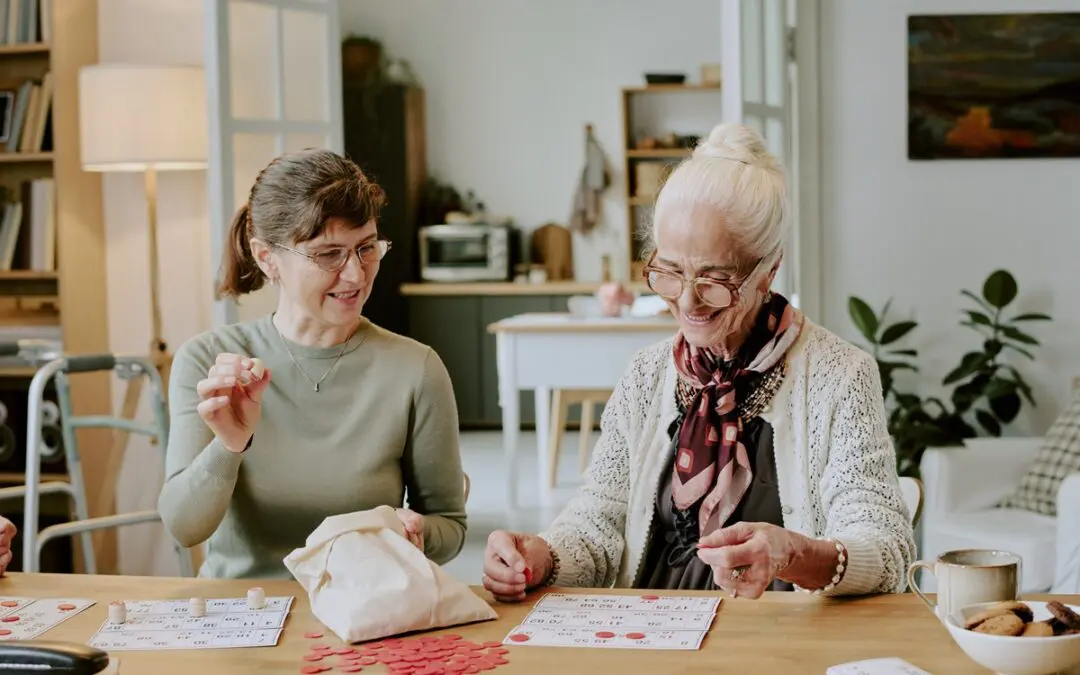
Among the various essentials, cognitive stimulation is at the top of the list for patients with memory loss to lead healthy, fulfilling lives. To this end, memory care communities have memory games, puzzles, art/music therapy, reminiscence therapy, physical exercise, and sensory engagement. All these are promoted within a controlled, structured environment that encourages cognitive stimulation. These activities not only promote cognitive stimulation but also foster social interaction.
Family Support & Care Partnering
A family’s role in their loved one’s well-being never ends with them transitioning to a memory care community. It just evolves and takes a different approach, with them acting as a cohesive support system. Through regular communication, education, and planned visits, memory care communities keep families involved in the caregiving process. The staff interacts with residents’ families and keeps them informed about their loved one’s health status.
How Memory Care Services Meet Residents’ Emotional Needs
Moving their loved one to a memory care setting isn’t heartbreaking for just the family; the dementia-affected loved one feels the same emotional complexities. While they are made aware of the benefits a secure memory care community has for them, the move still feels daunting. They are unsure how their life will unfold in memory care. The family, too, carries the same emotional stress, worrying about the life ahead for the loved one. Here’s how memory care communities provide reassurance and support to ease the fears and concerns of a memory-impaired individual.
Reduced Isolation & Anxiety
Not just for a memory-impaired aging adult, but for any senior, moving to a senior care setting might bring up feelings of anxiety. This usually happens because the community is unfamiliar and lacks connections. To address these issues, memory care communities offer structured, engaging activities such as art and music therapy, as well as social events. Participating in these activities helps residents feel connected and combat depression while the staff provides reassurance during moments of distress.
Validation Therapy
It’s common in dementia-affected individuals to show signs of irritability, increased agitation, and anger at times. The degenerative nature of the disease may lead the individual to repeat things that aren’t true or are factually incorrect. To manage these issues, the memory care staff uses different validation techniques to acknowledge and validate residents’ feelings. Rather than dismissing their concerns directly, they redirect those concerns in a way that helps manage behavioral symptoms while preserving residents’ dignity.
Purpose And Routine
Memory care communities promote personalized routines and activities based on individual abilities. These tailored care plans offer a sense of accomplishment, purpose, and control, helping reduce agitation and irritability.
Therapeutic Environment
The memory care environment isn’t just safe and secure but also comforting and therapeutic. The community uses familiar routines and navigation-friendly environments to promote a high-quality life for residents. With homelike, safe layouts; clear signage; calming lighting; and sensory-focused activities such as music, gardening, and reminiscence, the community fosters a calm, balanced daily living environment.
Eden Vista Barrington – A Safe And Homelike Memory Care Community You Can Trust
At Eden Vista Barrington, we understand how effective memory care can be for seniors with memory challenges. For them, it addresses their comprehensive wellness, proving advantageous for both their practical and emotional needs.
Choosing a senior living community with memory care fosters peace of mind for families who may be dealing with significant stress and concerns about their own well-being. Memory care isn’t just a residential option; it’s a caring partner that offers reassurance, dignity, stability, and an improved daily life for seniors. Residents live their best lives safely and securely while accessing professional, structured support.
Those seeking a professional memory care option for their dementia-affected loved one can contact us at Eden Vista Barrington. With our person-centered care programs, we promote whole-person wellness for residents, helping them attain a truly thriving lifestyle.