
At Eden Vista Barrington, we recognize how challenging it can be for family caregivers to manage their loved one’s memory issues. As cognitive decline progresses, their loved one faces increasing daily challenges. Managing emotional changes and evolving cognitive abilities can become overwhelming for families. Unsure of the next step, many families find themselves at a crossroads, deciding between home care and a memory care community. For many, professional memory care support offers the most consistent and reliable solution. Below, we explore how memory care senior living improves the quality of life for seniors with dementia and Alzheimer’s.
Enhanced Safety & Security
As dementia progresses, safety and security risks increase. Seniors may wander into unsafe areas, leave stoves on, misuse appliances, or experience falls. To address these concerns, memory care communities provide a safe and secure living environment. These specialized care settings are thoughtfully designed to balance safety with dignity.
The environment is designed to be calm and minimally stimulating, helping residents feel comfortable as they move throughout the space. Living areas include wide hallways, non-slip flooring, well-lit rooms, and grab bars in bathrooms. With trained staff providing 24-hour supervision, residents experience greater peace of mind in daily life. Door alarms and wearable alert devices help reduce the risk of wandering into unsafe areas.
Reduced Anxiety & Improved Mood
Individuals with memory issues can feel overwhelmed, frustrated, or agitated due to cognitive decline or unmet needs. Memory care communities use a structured, supportive approach to help reduce anxiety and promote emotional stability. Residents follow predictable routines that create familiarity and comfort.
Knowing what to expect throughout the day helps residents feel more at ease. Personalized therapeutic activities, including music, art, and reminiscence therapy, support emotional expression and comfort. Social interaction helps residents develop a sense of purpose and engagement. With consistent routines, tailored activities, sensory stimulation, and trained staff, residents experience improved emotional well-being.
Cognitive & Emotional Engagement
Memory care communities prioritize cognitive and emotional engagement, which supports purpose and quality of life. Tailored programs incorporate music therapy, puzzles, and creative activities to stimulate the mind, enhance mood, and potentially slow cognitive decline.
Additional activities such as gardening, sensory experiences, simple games, and light physical movement support memory, coordination, and emotional health. Many communities also include social interaction as part of daily programming, which further enhances mood and cognitive engagement.
Restored Dignity & Purpose
Prolonged inactivity and disengagement can contribute to faster cognitive decline. Many seniors feel uncertain about how to remain active or purposeful during later stages of life.
Memory care programs offer a variety of activities aligned with residents’ past interests and current abilities. Participating in meaningful activities allows residents to experience small achievements that help reinforce confidence and self-worth. This supports dignity, motivation, and a sense of personal identity.
Holistic Health Support
Individuals with memory loss often face challenges related to nutrition, mobility, and overall wellness. As dementia progresses, these needs typically increase, requiring consistent supervision and support.
Memory care residents receive individualized assistance based on their medical needs and personal preferences. Care plans address nutrition, daily living support, medication management, and physical health needs. These person-centered plans support physical, emotional, mental, and spiritual well-being.
Social Connection
Seniors with memory loss often struggle to maintain social relationships due to communication difficulties, anxiety, and behavioral changes. Social withdrawal can increase the risk of faster cognitive decline.
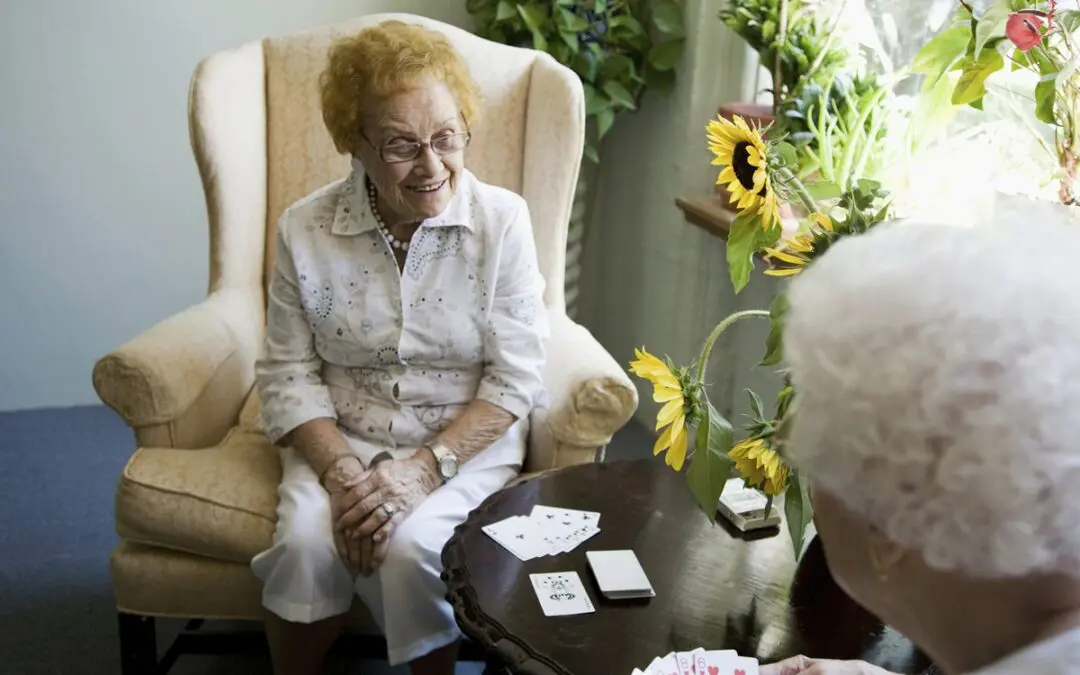
Memory care communities provide structured opportunities for social interaction through group activities, shared meals, games, and outings. Participating in these experiences helps residents reduce isolation, build relationships, and feel a sense of belonging.
Family Support
Caring for a loved one with dementia or Alzheimer’s is emotionally and physically demanding. Balancing caregiving responsibilities with personal and professional commitments can quickly become overwhelming.
Transitioning a loved one to a memory care community offers families much-needed relief. Knowing their loved one is receiving specialized care in a supportive environment allows families to focus on their own well-being and maintain meaningful relationships, rather than managing daily caregiving tasks.
Eden Vista Barrington – Expert Dementia Care Community
At Eden Vista Barrington, we understand how overwhelming dementia and Alzheimer’s can be for families. These conditions require specialized care and consistent support that a memory care community is uniquely equipped to provide.
Memory care offers a comprehensive solution that supports both seniors and their families. Specialized environments promote safety, structure, and familiarity while trained professionals provide personalized care. Our multifaceted approach focuses on supporting residents’ overall well-being.
For those exploring a person-centered memory care community, Contact us at Eden Vista Barrington. Our programs are designed to prioritize each resident’s individual needs while offering premier amenities and compassionate care. Reach out to learn how we can support your loved one’s quality of life.